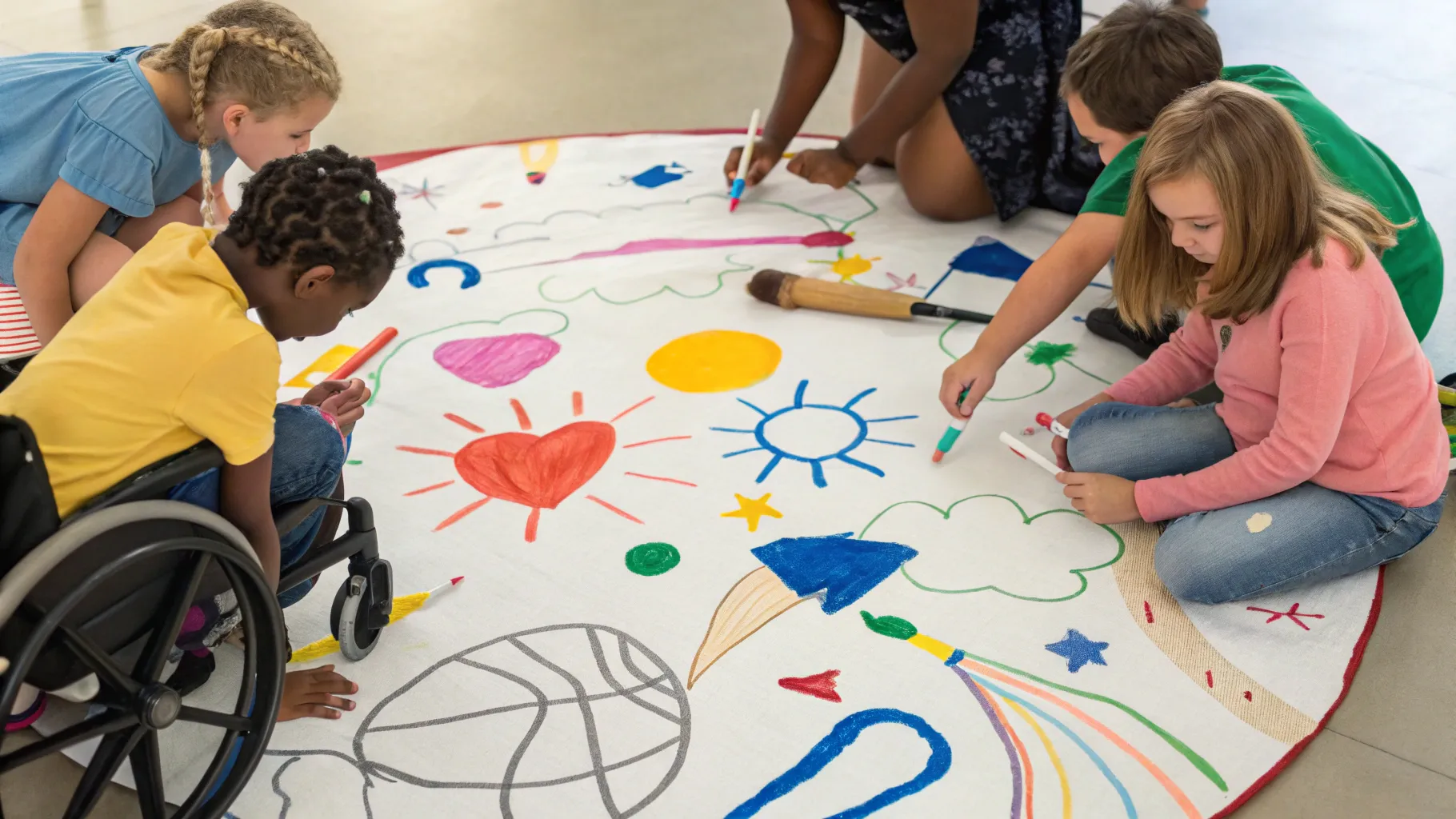
I'm Giannis Antetokounmpo, and I'm excited to announce that google.com/d4g/" target="_blank">Doodle for Google is back for 2025. This year's theme is My Superpower Is, and I’ll be serving as one of the judges. If you’re a K through 12 student in the United States who loves to draw, imagine, or tell stories through art, this is your moment to shine. Winners receive a college scholarship, a technology package for their school, and the chance to see their artwork featured on google.com.
Table of Contents
- 🎨 What Doodle for Google 2025 Is About
- 🏆 Why I Joined as a Judge
- 🎯 What Students Can Win
- 📝 Who Can Enter and How to Submit
- ✍️ Tips for Making a Winning Doodle
- 📚 Classroom and Teacher Resources
- ⚖️ How Judging Works and What I Look For
- 🌟 Stories of Impact and Why This Matters
- 📅 Important Dates and Where to Find Them
- 🤝 Supporting Students Beyond the Contest
- 🔗 Helpful Resources and Where to Get Started
- ✨ Final Thoughts and a Personal Note
- ❓ Frequently Asked Questions
🎨 What Doodle for Google 2025 Is About
Doodle for Google is an annual art contest that invites students across the United States to reimagine the Google logo through their own creative lens. This contest is more than a competition. It is a platform for young people to tell the world what matters to them, explore identity, and celebrate imagination. The theme for 2025—My Superpower Is—asks students to reflect on their strengths, values, and the qualities that make them feel powerful.
I want to see the ideas and meanings behind those superpowers. A superpower can be something dramatic and visual, like flying or super strength, or something quietly powerful, like empathy, curiosity, resilience, or the ability to make people laugh. Your doodle should show what being powerful feels like to you.
🏆 Why I Joined as a Judge
I believe in the importance of giving kids a chance to express themselves. Art is a language kids use to understand the world and to communicate who they are. I’ve seen firsthand how creativity builds confidence, and I want to encourage students to feel powerful when they create.
"I think it's very important for kids to express themselves. And most important, feel powerful."
Judging this contest lets me do more than admire great art. It gives me a chance to support programs that bring technology and scholarship opportunities to students. The winners will not only earn recognition, they will get resources that help their schools and their futures.
🎯 What Students Can Win
The contest rewards both individual achievement and community impact. Winners receive:
- A college scholarship to help with higher education expenses.
- Technology for their school so future students can learn, create, and connect.
- National recognition when their artwork appears on google.com, giving a global audience a glimpse into their vision.
These prizes are designed to celebrate the student's creativity while also giving back to the school community. A single winning doodle can bring lasting resources, opportunities, and pride to an entire classroom or school.
📝 Who Can Enter and How to Submit
Eligibility is simple: the contest is open to students in grades K through 12 who are residents of the United States. Students enter by submitting an original artwork that reimagines the Google logo and responds to the theme My Superpower Is.
Here are the practical steps you’ll need to follow to enter:
- Decide on your superpower. Think beyond comic-book powers—consider personality traits, everyday strengths, or a skill you use to help others.
- Create your doodle. You can use pencil, paint, markers, collage, or digital tools. The doodle should incorporate the Google logo in a visible way while showcasing your concept.
- Capture your submission. If your work is on paper, photograph or scan it at high resolution. If it’s digital, export a high-quality file.
- Complete the entry form with required details, including parent or guardian consent where necessary.
- Submit through the official Doodle for Google entry portal at doodles.google.com/d4g.
Teachers and parents can support students through each step by providing materials, help with digital capture and upload, and encouragement. There are also curated resources to help break the process into manageable lessons and activities.
✍️ Tips for Making a Winning Doodle
I’ve learned that a great doodle is about more than technical skill. It’s about connection, courage, and clarity. Here are practical tips to help your artwork stand out while staying true to your voice.
Start with a clear idea
Take time to define your superpower in one sentence. What makes it meaningful? How do you want others to feel when they see your doodle? A clear concept will make every creative decision that follows easier and stronger.
Tell a story
Think of your doodle as a snapshot of a story. Even a simple image can suggest a whole world if you include details that hint at character, context, or action. Ask yourself: who is using the superpower? Where are they? What happens when they use it?
Use composition to guide the eye
Composition is how you arrange elements on the page. Make sure the Google logo is visible and integrated into your design. Use lines, shapes, and color to lead the viewer’s eye to the focal point—usually the interpretation of your superpower.
Choose colors intentionally
Colors carry emotion and meaning. Bright, saturated colors can communicate joy and energy. Muted palettes can convey calmness or focus. Think about how your color choices support the theme of your superpower.
Balance creativity and clarity
An inventive idea should still be easy to understand. Judges appreciate originality, but they also want to feel what you intended. If something in your design is ambiguous, add a small detail or label to make it clear without taking away from the visual impact.
Experiment with materials
Don’t be afraid to mix media. Collage, textured paint, crayons, and digital effects can combine to create unique results. If you use mixed media, make sure the final image is captured clearly for submission.
Practice presentation
How you photograph or scan your work matters. Use even lighting, a clean background, and a high-resolution setting. Crop out extra space so the artwork fills the frame without cutting off important details.
Above all, make something that feels true to you. Authenticity resonates.
📚 Classroom and Teacher Resources
Teachers can turn this contest into a rich classroom experience that builds artistic skills, social-emotional learning, and project-based practice. Here are ideas for lesson planning and classroom activities that align with the theme.
- Warm-up prompts: Have students list talents or traits they admire in themselves and others. Use word maps to expand on each idea.
- Mini-lessons on composition: Teach focal points, rule of thirds, and color theory through hands-on exercises.
- Storyboarding: Ask students to sketch three thumbnail concepts before committing to a final design. This encourages iteration and creative risk-taking.
- Reflection and critique: Facilitate respectful critiques where students explain the meaning behind their choices and receive constructive feedback.
- Integration across subjects: Connect the theme to history, language arts, or social studies by asking students to explore historical figures or community helpers as sources of inspiration.
There are also step-by-step guides and video tutorials available to help break the submission process into manageable pieces. Those resources can save time and increase confidence for both students and teachers.
⚖️ How Judging Works and What I Look For
My role as a judge is to evaluate artwork through several lenses: originality, artistic merit, interpretation of the theme, and overall composition. Judges at every level—local, state, and national—look for strong concepts that are executed well.
Here are the core criteria I keep in mind when reviewing entries:
- Creativity and Originality: Does the doodle present a fresh idea or a unique perspective on the theme?
- Interpretation of the Theme: How clearly does the artwork respond to My Superpower Is?
- Artistic Ability: Is there evidence of skill in drawing, composition, color, and technique?
- Impact: Does the doodle leave a lasting impression? Does it make me feel something?
- Presentation: Is the final submission captured and presented clearly for evaluation?
Art is subjective, so no checklist guarantees a win. The pieces that stand out are often those that combine thoughtful storytelling with bold, confident visuals. I’m excited to see how students interpret power in its many forms.
🌟 Stories of Impact and Why This Matters
Art has a way of opening doors. When a student’s work is chosen for national recognition, it can amplify their voice and bring resources into their school. Beyond prizes, the contest nurtures confidence, public speaking, and leadership—qualities that last long after a doodle is finished.
Seeing a student’s imagination celebrated on a platform like Google can validate their creative identity. That validation can inspire them to keep creating, to pursue further education, and to imagine possible futures. As someone who knows the value of opportunity and support, I find it incredibly meaningful to be part of that chain of encouragement.
📅 Important Dates and Where to Find Them
Submissions for Doodle for Google 2025 are now open. Specific deadlines, entry rules, and submission guidelines are available at the official contest page. Check doodles.google.com/d4g for the most current timeline, judging phases, and resource links.
If you’re a teacher or parent, plan time for brainstorming, drafting, and finalizing submissions. Allow students the space to explore multiple ideas before choosing their final doodle. Rushing the process usually means lost opportunities for growth and discovery.
🤝 Supporting Students Beyond the Contest
Even if a student doesn’t win, participating in Doodle for Google offers tangible benefits. The process encourages critical thinking, iteration, and self-expression. It also provides a portfolio piece for students building their creative records for future school or scholarship applications.
As a judge and advocate, I want every student to walk away from the experience feeling seen and more confident in their creative voice. Participation itself is a win when it sparks growth, curiosity, and pride.
🔗 Helpful Resources and Where to Get Started
You do not need elaborate tools to make a meaningful doodle. Start with what you have and focus on a strong idea. For students and educators who want step-by-step help, there are tutorial videos, lesson plans, and downloadable materials designed to simplify each stage of the process.
To get started:
- Visit doodles.google.com/d4g for official rules and entry forms.
- Find how-to videos and lesson playlists that break down each step into easy activities.
- Organize classroom time for brainstorming, drafting, and feedback sessions.
- Encourage family involvement—parents and guardians can support logistics and provide encouragement.
✨ Final Thoughts and a Personal Note
Art gave me another way to express myself, and I want the next generation to experience the same empowerment. That’s why I’m thrilled to be involved with Doodle for Google 2025. I cannot wait to see how students express their superpower and share it with the world.
Make something that reflects what makes you feel powerful. Whether your superpower is determination, kindness, curiosity, or creativity, your perspective matters. Submit your music of color, line, and imagination—the world is ready to see it.
❓ Frequently Asked Questions
Who is eligible to enter Doodle for Google 2025?
The contest is open to students in grades K through 12 who are residents of the United States. Eligibility details, including any grade-group categories, are listed on the official entry page.
What is the theme for 2025?
The theme for 2025 is My Superpower Is. The doodle should reinterpret the Google logo and express a student’s personal idea of a superpower.
What prizes are awarded?
Winners receive a college scholarship, technology for their school, and national recognition when their artwork is featured on google.com. Additional prizes and award tiers may be listed on the official contest page.
How do I submit an entry?
Submit your doodle through the official Doodle for Google portal at doodles.google.com/d4g. You’ll need to upload a high-quality image of your artwork and complete the submission form, including any required guardian consent.
Can teams or classes submit together?
Typically the contest is designed for individual student submissions. Check the official rules for any special provisions or school-level group recognition options.
What types of artwork are allowed?
Traditional media such as pencil, paint, markers, and collage are allowed, as are digital creations. The key is that the artwork is original and incorporates the Google logo in a visible way. Review submission guidelines for file format and size requirements.
How will the judging be conducted?
Judging typically happens across multiple levels, including local, state, and national rounds. Judges evaluate entries based on creativity, interpretation of the theme, artistic skill, and overall impact. Exact judging steps and timelines are posted on the contest site.
Where can teachers find lesson plans and resources?
Teachers can find step-by-step guides, lesson plans, and video tutorials on the Doodle for Google website and associated education resource pages. These materials help integrate the contest into classroom activities.
When is the deadline to submit?
Submissions are currently open. For the most accurate deadline and timeline information, consult doodles.google.com/d4g where official dates and deadlines are posted.
What if I need help photographing or scanning my artwork?
Use natural, even lighting and a plain background when photographing your work. Avoid shadows and crop so the artwork fills the frame. Many schools and libraries offer scanning resources if you need help creating a high-resolution file.


